The Impact of Community Support on Healing
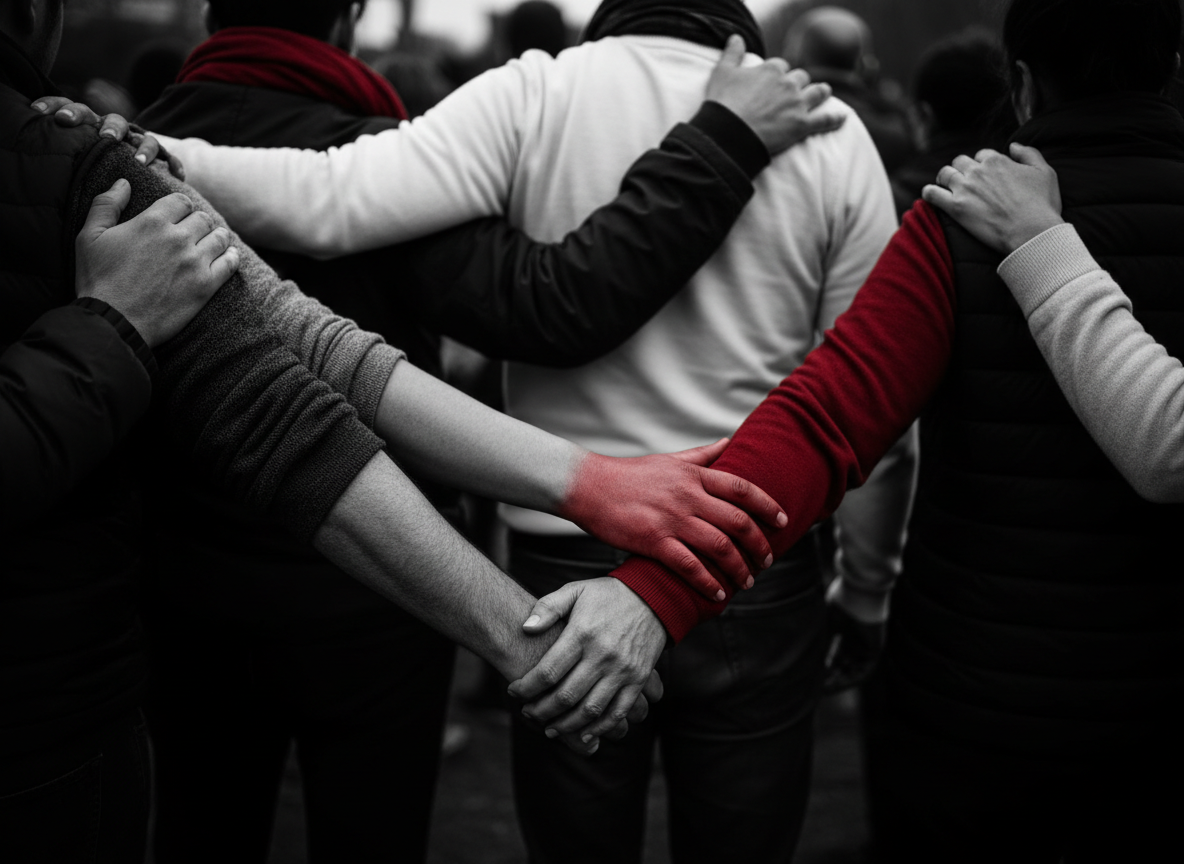
Grieving alone is brutal. It's isolating, suffocating, and it makes you feel like nobody gets it. But here's what research and real life both show: you don't have to do this alone. And when you don't, everything changes.
Isolation Kills
Without support, grief gets worse. A lot worse.
People who grieve without a support system are 60% more likely to develop depression and anxiety. That's not a coincidence. That's what happens when you're carrying something heavy with no one to help.
When you bottle it up, when you have nowhere to say "this hurts," the pain doesn't go anywhere. It just festers. And sometimes people turn to destructive coping—substances, overeating, overspending—just to numb it.
Rejection from someone you trusted? That's a whole different kind of pain on top of the grief you're already carrying.
Support Changes Everything
Now flip that. Someone listens. Really listens. A friend shows up. Your family acknowledges your loss. Suddenly, you're not invisible anymore.
75% of people feel better after talking about their loss with someone close to them. That's not magic. That's what happens when you're seen and heard.
A supportive community doesn't make the grief go away. But it makes it bearable. It gives you room to feel what you're feeling without judgment.
What Support Actually Looks Like
It's not always big. Sometimes it's:
- •Someone bringing you a meal
- •A text that says "I'm thinking of you"
- •Showing up to sit with you, even if you don't talk
- •Remembering the anniversary of their death
- •Asking about them by name
These aren't small things. They're lifelines.
Community groups, local organizations, support circles—they exist because grief is universal and it's isolating. When you're in a room with people who've lost what you've lost, something shifts. You're not alone anymore.
Keep Showing Up
Support doesn't end after the funeral. It doesn't end after a few weeks.
Grief is long. It has ups and downs. Some days are harder than others. The people who stick around—who check in on the hard days, who remember the anniversaries, who ask how you're doing months later—those people matter.
A message on their birthday. Bringing up their name in conversation. Asking "how are you really doing?" These things keep the memory alive and remind you that your loss matters.
You're Not Meant to Carry This Alone
Grief is hard. But it's harder alone.
Whether it's friends, family, a support group, or an online community—find your people. The ones who get it. The ones who won't tell you to "move on" or "they're in a better place."
Because here's the truth: when you're supported, you heal differently. Not faster. Not "better." But with less isolation, less shame, and more hope.
Your grief matters. And so do you.